
For a long time, singing lessons seemed to belong to a particular kind of student: a child preparing for exams, or a hopeful performer aiming for the stage. But many adults are discovering that learning to sing doesn’t need to be a childhood ambition or a career plan. It can simply be something they want to do.
A new study offers an interesting glimpse of that shift. It suggests that many singing students are adults who have chosen to begin lessons for themselves. The figures are worth a closer look, not as a verdict on every learner everywhere, but as a signpost that the old assumptions about who takes singing lessons may be changing.
What the 2026 study found
In June 2026, online music tutoring marketplace Wiingy published The American Singing Student 2026. The study analysed booking and lesson activity for 5,000 singing students across all 50 U.S. states, between August 2024 and April 2026.
Wiingy reported that 61% of the singing students in its analysis were working adults who had enrolled and paid for lessons themselves. Adults outnumbered school-age singers by more than two to one, and over 90% of students initiated their own lessons, without an external requirement. The study also found that adults were more likely to pursue singing for skill-building than career advancement.
There’s an important qualification: these are figures from one tutoring marketplace’s activity, not a peer-reviewed journal study or a survey of every singing student in the United States. They don’t prove exactly how singing lessons are changing worldwide. Still, they offer a useful snapshot of learners choosing lessons for their own reasons.
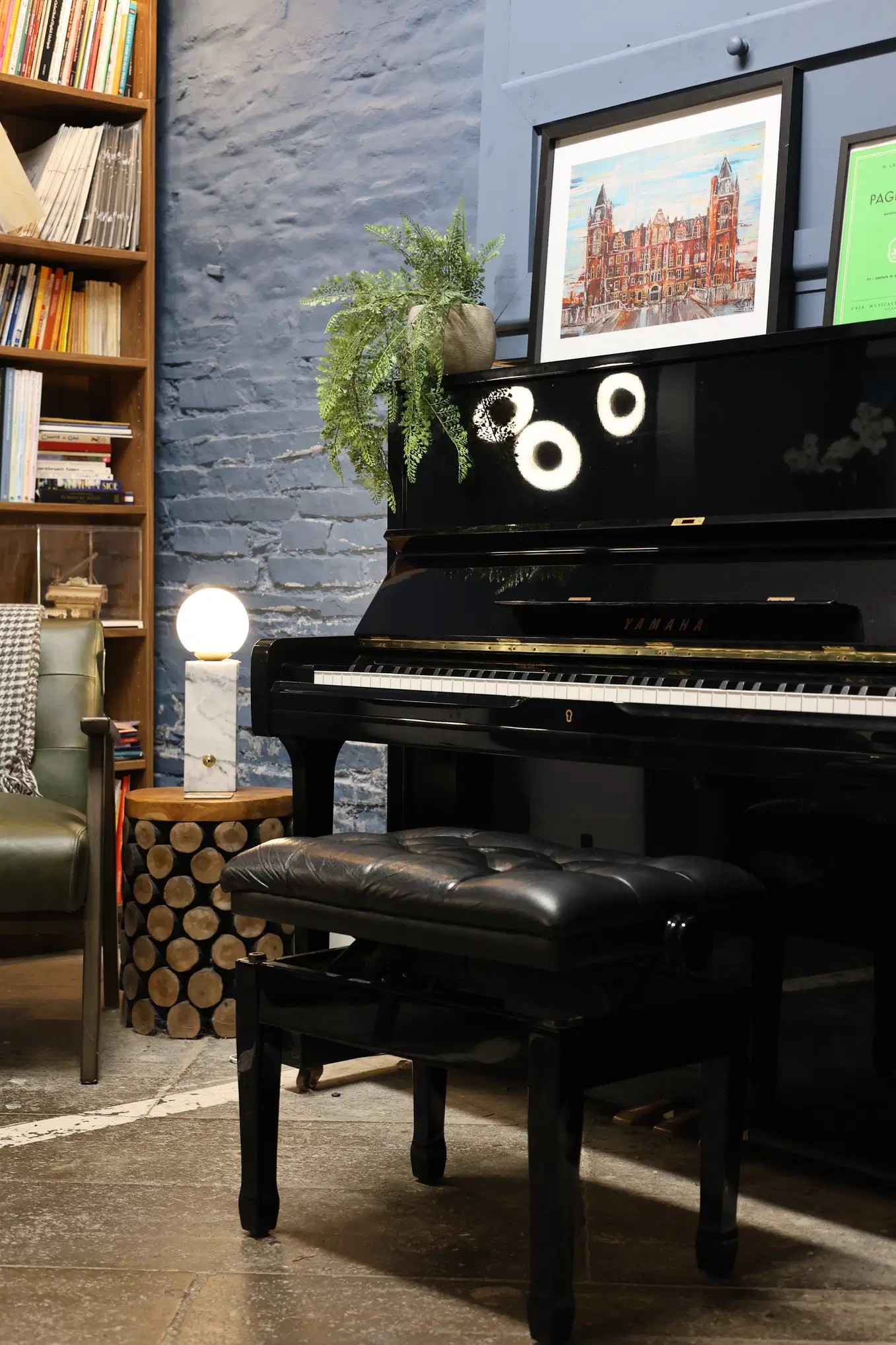
Singing lessons don’t have to be a career move
The detail about skill-building feels especially significant. Singing is often associated with auditions, performance and professional ambition. Those goals matter to some learners, of course, but they’re far from the only reasons to begin.
Perhaps you’ve always loved singing along to songs but wondered how your voice might develop with guidance. Perhaps you sang in a choir years ago and miss the feeling of making music with intention. Or perhaps you want to understand breath, pitch and phrasing a little better, simply because the process interests you.
None of those reasons needs to be justified by a future career. Learning to sing can be a satisfying creative pursuit in its own right: a chance to listen closely, build a new skill and spend time doing something that feels meaningful. Progress might mean feeling steadier on a high note, understanding how to practise a tricky phrase, or finding more freedom in a song you love.
And you don’t need to arrive with a polished voice or a long list of experience. Beginners can start with the basics; returning singers can reconnect with familiar skills and explore what they want to work on now.
“Am I too old to start?”
It’s a common worry, but there’s no age at which it becomes too late to learn. Adult students bring valuable experience with them: musical tastes, life stories and a clearer sense of what they want from their time. They may have less free time than a school-age student, but a thoughtful lesson can help turn a broad ambition into manageable steps.
A good starting point is not “How quickly can I become a singer?” but “What would I enjoy learning?” You might want to sing with more confidence at home, prepare a song for a personal occasion, develop your musical ear, or explore a style you’ve always admired. A teacher can help shape the work around your interests and current experience.
It’s also perfectly normal to feel self-conscious at first. Singing is personal: unlike learning a tune on an instrument, your voice is part of you. A supportive learning environment makes room for that uncertainty while helping you build technique at a comfortable pace.

Making room for singing in a busy life
Work, family and everyday responsibilities can make it hard to imagine adding one more commitment. That doesn’t mean lessons are out of reach; it means the format needs to fit your life.
Some learners prefer the focus of meeting in person. Others find an online lesson easier to arrange around work, travel or home life. Regular, realistic practice can also be more helpful than waiting for a rare, perfect stretch of free time. A few focused minutes spent revisiting a lesson’s key idea can keep the music moving between sessions.
At AberMusic, we help you book lessons with independent teachers in our network, with voice lessons available in person at the Aberystwyth Market Hall studio in Ceredigion or online worldwide. Teachers in the network have trained at conservatoires and prestigious higher education institutions, and lessons can suit complete beginners as well as singers returning after a break.
AberMusic handles lesson booking and billing on the teacher’s behalf. Lesson delivery is by your chosen teacher. If you’re weighing up whether to begin, you can get in touch with AberMusic to ask about options and availability.
What might you work on in a voice lesson?
Every singer starts from a different place, so there isn’t one fixed path. Depending on your experience and goals, lessons might explore breathing, posture, vocal warm-ups, pitch, musical phrasing or the way a song communicates its story. You might bring a piece you love, or work with your teacher to find music that feels right for your voice and experience.
The aim isn’t to make every voice sound the same. Good teaching helps you develop healthy, reliable ways of singing while discovering what your own voice can do. That can mean learning new techniques, but it can also mean understanding how to practise them and when to use them.

For AberMusic students, complimentary access to a student portal and practice app can help keep lesson notes and next steps close at hand. The fees page outlines lesson lengths and pricing, including portal and app access.
A good time to begin is the time you choose
The Wiingy study doesn’t tell us that every adult is ready to sign up for singing lessons. What it does show is that, among the students in its analysis, many adults were already doing exactly that, choosing lessons and paying for them themselves. Their reasons were often about developing a skill, not pursuing a career.
That’s a welcome reminder that music learning isn’t reserved for childhood, or for people with professional ambitions. You can begin because singing has stayed in the back of your mind. You can return because you miss it. You can try a lesson simply to find out what learning feels like.
If you’ve been waiting for a more compelling reason than “I’d like to,” that may be reason enough. AberMusic can help you book with an independent voice teacher in Ceredigion or online. Find out more about the network and its approach on the About AberMusic page, or send an enquiry.
Leave a Reply