
Picture this: you've just started learning piano (or maybe your child has), and you're buzzing with excitement. You hop online, download some free sheet music, print it out… and suddenly you're squinting at tiny notes, confusing fingerings, and an arrangement that sounds nothing like the song you love.
We've all been there. And honestly? Bad sheet music can kill your motivation faster than a broken string.
The truth is, not all sheet music is created equal. Whether you're a complete beginner, a returning adult learner, or a parent helping your child navigate their musical journey, knowing how to spot quality sheet music makes a massive difference. It's the difference between frustration and flow, between giving up and falling in love with music.
So let's break it down. Here's your friendly guide to choosing sheet music that actually helps you learn.
Why Quality Sheet Music Actually Matters
You might be thinking, "It's just notes on a page, how different can it really be?"
Surprisingly different, actually.
Good sheet music does the heavy lifting for you. It presents the music clearly, with accurate notation, sensible page turns, and helpful details like fingerings and dynamics. Poor quality sheet music? It leaves you guessing, squinting, and potentially learning mistakes that you'll have to unlearn later.
Think of it like a recipe. A well-written recipe tells you exactly what to do, step by step. A badly written one leaves out crucial details, uses confusing measurements, and has you Googling "what does 'cook until done' even mean?" halfway through.
Quality sheet music sets you up for success from the start.
Know Your Level (And Be Honest About It)
Before you even start browsing, take a moment to honestly assess where you're at. This isn't about ego, it's about finding music that challenges you just enough without tipping into frustration territory.
A piece that's too easy? You'll get bored. Too hard? You'll get discouraged. The sweet spot is music that stretches you slightly beyond your comfort zone while still being achievable.
Here are three areas to consider:
Reading Ability
Can you read the key signature comfortably? If a piece is written in a key you've never played in, that's an extra hurdle. It's not impossible, but factor it in. If you've been playing in C major and G major, jumping straight to something with five flats might be a bit ambitious.
Rhythmic Complexity
Check the time signature and scan through for tricky rhythms. Dotted rhythms, triplets, and syncopation can catch beginners off guard, especially if you're encountering them for the first time. There's nothing wrong with these rhythms, but it helps to know what you're getting into.
Technical Demands
Does the piece introduce new techniques like arpeggios, chord stretches, or quick hand position changes? Again, these are great for growth, but make sure you're not stacking too many new challenges at once.
A good rule of thumb: aim for pieces where about 80% feels manageable and 20% pushes you to grow.
What to Look For: The Quality Checklist
Right, so you've found a piece you want to play. How do you know if the sheet music itself is any good? Here's what to look for:
Clear Engraving
This is the fancy term for how the music is printed or displayed on the page. Good engraving means:
- Notes are evenly spaced and easy to read
- Staff lines are clear and not too crowded
- Accidentals, dynamics, and other markings are placed logically
- Page turns happen at sensible moments (not mid-phrase!)
If you're squinting or feeling visually overwhelmed, that's a red flag.
Accurate Arrangements
This is huge, especially for popular music. Anyone can create an "arrangement" of a song, but not all arrangements are accurate or well-crafted. Some simplify things in ways that lose the essence of the music. Others include errors that made it through without proper editing.
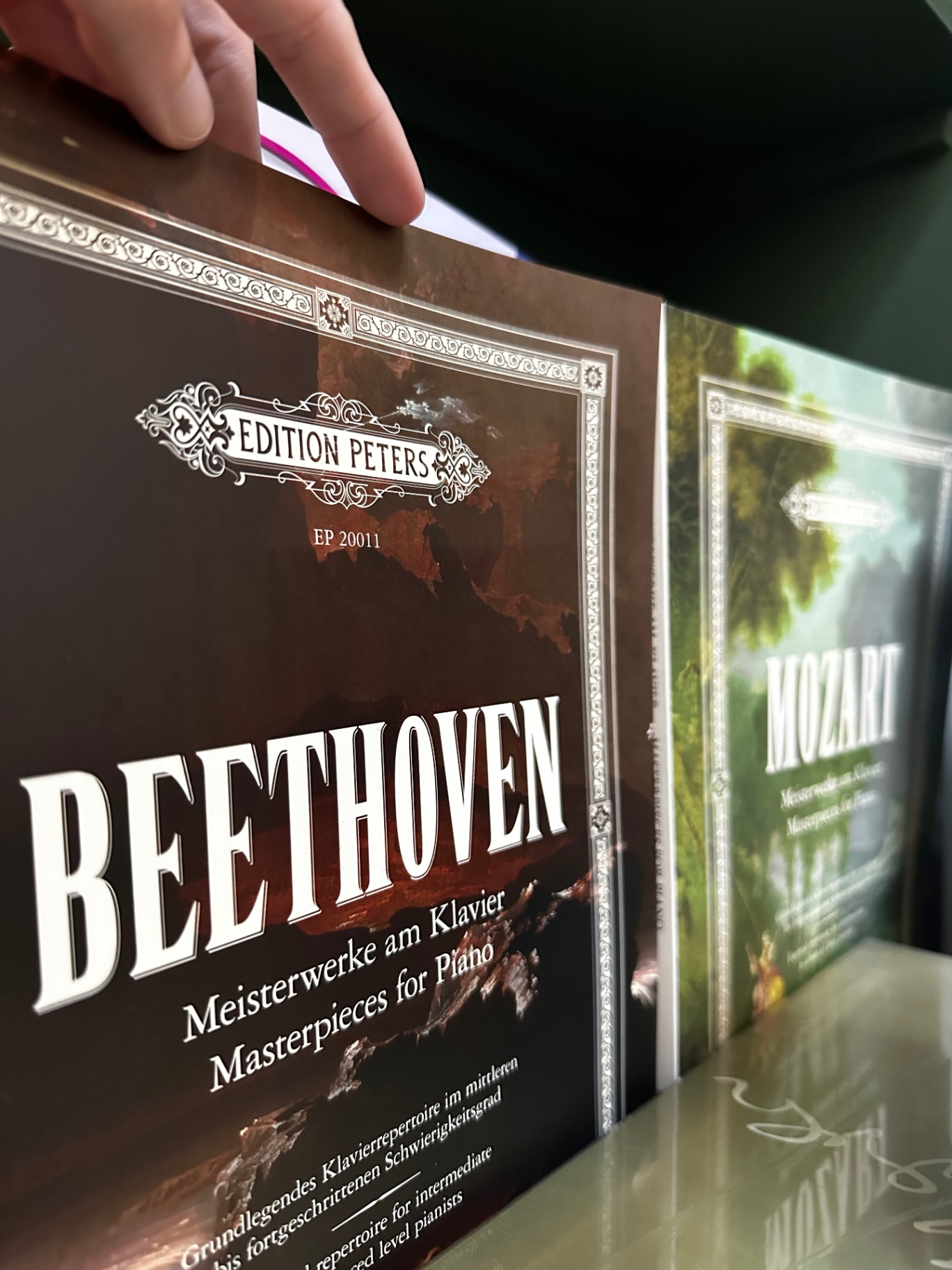
Look for arrangements from reputable publishers or sources. Names like Edition Peters, Hal Leonard, Alfred, and Henle have built their reputations on accuracy and quality. When in doubt, stick with the trusted names.
Appropriate Difficulty Grading
Many publishers grade their music by difficulty level (Grade 1, Grade 2, etc.). This is incredibly helpful, but be aware that grading isn't universal. One publisher's "Grade 3" might be another's "Grade 4."
If you're working with a teacher, they can help you navigate this. If you're learning independently, try to preview the music before buying (many online stores let you see the first page) and compare it to pieces you've already played.
Helpful Extras
The best sheet music includes thoughtful extras like:
- Fingering suggestions
- Pedal markings (for piano)
- Dynamic markings and phrasing
- Brief performance notes or historical context
These details make a real difference, especially when you're learning independently.
A Quick Note on Urtext Editions (And Why They’re Worth It)
If you’re buying classical sheet music, you’ll often see the word “Urtext” (German for “original text”). In short, an Urtext edition aims to present the music as close as possible to the composer’s original intentions, based on reliable source material (manuscripts, first editions, and other historical documents).
Why that matters: some editions include heavy editorial “help” (extra dynamics, phrasing, or even altered notes) that might not actually be what the composer wrote. That doesn’t automatically make them bad, but if you want the most authentic starting point, Urtext is the gold standard.
Two publishers that are especially respected for Urtext quality are G. Henle Verlag (Henle) and Bärenreiter. Their scores are known for meticulous research, clear engraving, and professional presentation, the kind of editions you’ll see used in conservatoires.
This ties in closely with what we do at AberMusic. We’re big on teaching from materials you can trust, and in the AberMusic shop, Steven Swindells prioritises these standard-setting editions wherever they’re appropriate, so our students are learning from the best sources right from the start.
Where to Find Quality Sheet Music (The Simple Answer)
If you want to avoid wasting time and money on questionable editions, the easiest route is to use a source that’s already been quality-checked.
That’s exactly why the AberMusic shop exists: a focused selection of excellent resources, available online and in-person at the AberMusic Studio (Ceredigion).
Everything we stock is chosen with learning in mind, and it’s hand-picked by our founder, Steven Swindells, so you can feel confident you’re getting editions with clear engraving, reliable editing, and sensible progression for students.

A Word on Digital vs. Print
This one comes down to personal preference. Digital sheet music is convenient, you can store hundreds of pieces on a tablet, adjust the size, and even have the page turn automatically with some apps.
But many musicians (myself included) still prefer print. There's something about a physical book that just feels right for practice. No screen glare, no battery to worry about, and you can scribble notes all over it.
The good news? You don't have to choose. Many publishers offer both options, sometimes bundled together.
What We Do at AberMusic
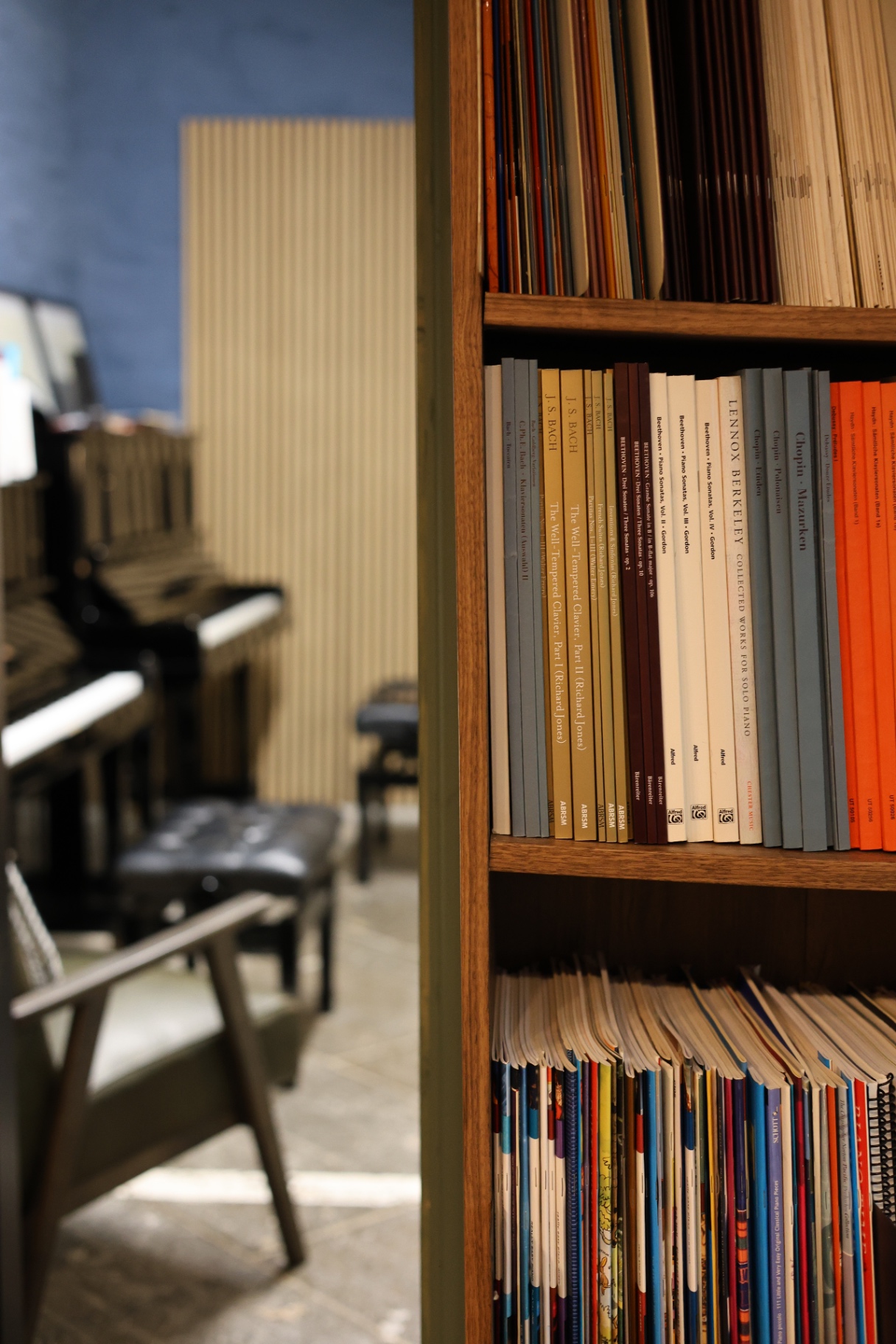
At AberMusic, quality is something we genuinely care about. Our studio is stocked with carefully curated sheet music resources, from classical masterworks to contemporary pieces, all chosen with our students' learning in mind.
We believe that having the right materials makes learning more enjoyable and more effective. That's why we invest in professional editions and keep our library organised by difficulty level, composer, and genre.
Whether you're taking piano lessons or voice lessons with us, you'll have access to quality resources that support your musical journey.
The AberMusic Shop (For Everyone)
Whether you’re an AberMusic student or you’re learning elsewhere, the AberMusic shop is the place to buy high-quality, carefully curated sheet music you can keep, annotate, and build your own music library with.
Everything we stock is hand-picked by our founder, Steven Swindells (conservatoire-trained). Steven prioritises editions that are clear to read, reliable, and genuinely helpful for progress, so you’re not wasting money on “almost right” versions.
Two easy ways to shop:
- Online: order from wherever you practise
- In-person at the AberMusic Studio (Ceredigion): browse in person and get friendly guidance on what will suit your level
Call to action: Want the “right next piece” rather than another book that gathers dust? Shop with AberMusic online, or pop into the studio and we’ll help you choose.
Studio Resources (Exclusive for AberMusic Students)
If you’re enrolled at AberMusic, you get more than just the option to buy great editions, you also get extra learning resources built into your lesson experience.
Alongside your lessons, students receive:
- Exclusive access to a professional studio library (ideal for trying repertoire, comparing editions, and exploring new composers without having to buy everything upfront)
- Complimentary access to the student portal for lesson support and materials
- Complimentary access to our practice app, helping you stay organised and motivated between lessons
In other words: the shop is for purchasing your own copies to practise with at home, while Studio Resources are the added support AberMusic students get as part of learning with us.

The Bottom Line
Choosing the right sheet music isn't just a minor detail, it's a foundational part of learning music well. Good sheet music teaches you proper technique, accurate rhythms, and musical expression from day one. Bad sheet music… well, it just gets in the way.
So take your time. Assess your level honestly. Look for clear engraving, accurate arrangements, and appropriate difficulty. And don't be afraid to invest a few pounds in quality editions: your future self will thank you.
Happy practising! And if you ever want personalised recommendations or guidance, you know where to find us. Pop into the studio or get in touch( we're always happy to chat about music.)